

Planning· 16 min read
When Is the Best Time to Visit Tanzania?
A month-by-month safari guide
By EXG Safaris · Published September 10, 2026
The advice “visit Tanzania in the dry season” is useful, but incomplete. It does not tell you whether the dry season fits your reason for traveling, whether your chosen camp will be near the Great Migration, or whether peak-season crowd levels match the quiet safari you imagined.
Tanzania is also too large and geographically varied for one national weather rule. Serengeti National Park, Tarangire National Park, Ruaha National Park, Mount Kilimanjaro, and Zanzibar do not behave exactly the same way. Northern and coastal areas generally have two rainy periods, while much of southern, central, and western Tanzania follows a longer single rainy season. Mountain weather creates another set of variables.
This guide gives you a practical default answer, then helps you improve it. You will see what each month usually feels like, where the Great Migration may be found, when Zanzibar combines well with safari, which periods tend to be busier, and when rain can either enrich or complicate the trip. Historical patterns are planning tools, not promises.
The short answer
June through October is the best all-around period for a first Tanzania safari. Much of the country is in its dry season, vegetation is often less dense, roads are generally more reliable, and wildlife can become easier to locate around water. July, August, September, and early October are especially popular for northern-circuit safaris.
That recommendation has real disadvantages. Popular lodges, family rooms, private guides, and well-located migration camps can sell early. Famous sectors of Serengeti National Park and Ngorongoro Crater may feel busy at prime sightings. Dry-season landscapes can be dusty and brown, and early mornings in the highlands may feel surprisingly cold.
Match the month to your goal
- Calving and green plains: late January through February, sometimes into early March
- Possible Mara River crossings: roughly July through October, with no guarantee on any date
- Dry-season wildlife and easier logistics: June through October
- Lush scenery, birding, and fewer visitors: November through March, outside holiday peaks
- Lowest visitor pressure: often April and May, if you accept heavier rain and check which camps remain open
- Zanzibar beaches: generally June through October and January through February
- Kilimanjaro: commonly January through March and June through October
How Tanzania's seasons work
Tanzania does not have four seasons in the North American sense. Travel planning is better organized around rainfall, temperature, altitude, and regional geography.
June through October is the main dry period. The Tanzania Meteorological Authority identifies June through September as dry months for much of the country, although local showers can still occur. Temperatures are often coolest from May through August, particularly before sunrise, at altitude, and around the Ngorongoro Highlands. For safari travelers this normally brings firmer roads, less dense vegetation, and increasing wildlife concentration around water.
October through December brings the short rains to northern Tanzania, the northeastern highlands, the Lake Victoria region, and Zanzibar. Some years bring scattered afternoon showers; others bring prolonged or unusually heavy rain. The rains refresh the landscape — dust settles, grass returns, migrant birds arrive, and the herds usually begin moving back toward the eastern and southern Serengeti.
January and February are commonly warm and comparatively dry in the north and on Zanzibar, though off-season rain is possible. These months matter for the southern Serengeti and the Ndutu area, where the migratory herds often gather on the short-grass plains and calving activity is typically strongest in late January and February.
March through May is the main rainy period in northern Tanzania and along the coast, with April often one of the wettest months. It does not necessarily rain all day, but road conditions can deteriorate quickly and travel times increase. The landscape is green, birding is strong, and visitor numbers are lower — but some seasonal camps close, and a lower lodge rate has little value if the route requires long, difficult drives.
Southern, central, and western Tanzania follow a different pattern: one longer rainy season, generally from November into April or May. Ruaha National Park and Nyerere National Park are therefore often simplest to visit from June through October. And weather patterns are not forecasts — El Niño, the Indian Ocean Dipole, and local storms can create unusually wet or dry months, so check current conditions close to departure.
Month by month
Tanzania month by month
What each month feels like. Historical patterns, not promises — rainfall, water, and grazing can shift the timing in any individual year.
January
Warm, green, strong in the south
The migratory herds are commonly moving onto or settling across the short-grass plains around southern Serengeti and Ndutu; resident wildlife remains present throughout the northern circuit. For photographers, January can bring clean air, textured skies, fresh grass, and the first newborn animals. The tradeoff is midday heat and the possibility of rain even during the customary drier interval.
Best for: Green-season photography, early calving activity, birdlife, safari and Zanzibar combinations
Less ideal for: Travelers who require reliably dry weather
February
Peak calving season
February is the month most closely associated with wildebeest calving on the southern Serengeti and Ndutu plains. Large herds and vulnerable young also attract predators, though neither births nor predator sightings are guaranteed on a specific drive. A camp in central or northern Serengeti may be beautifully marketed yet poorly positioned for a calving-focused trip — location matters more than the word “Serengeti” in the lodge name.
Best for: Calving-season planning, predators, green landscapes, photography
Less ideal for: Travelers seeking the lowest prices or empty parks
March
A transition month
Early March can still provide productive southern Serengeti viewing, while the herds may begin to spread or move as rainfall and grazing change. Humidity and rain normally increase as the long rains approach. March works for flexible travelers who want green scenery and fewer visitors than February, and becomes less predictable for a tightly scheduled itinerary with long overland transfers.
Best for: Flexible green-season travelers, birding, quieter conditions after peak calving demand
Less ideal for: Travelers who become anxious when weather changes daily plans
April
Often the wettest month
April is commonly one of the wettest months in northern Tanzania and Zanzibar. Roads can be muddy, some routes slower, and some camps closed. Wildlife does not disappear and the scenery can be exceptionally lush, but logistical planning matters more. For an experienced repeat visitor April can feel quiet and atmospheric; for a first safari with limited vacation time it may create more uncertainty than the lower crowd level is worth.
Best for: Repeat visitors, dramatic landscapes, birdlife, low visitor pressure
Less ideal for: Mobility-limited guests, first-time travelers wanting easy logistics, beach travelers seeking dependable sunshine
May
Long rains easing toward month-end
May usually remains part of the long-rain season, though conditions often begin changing toward the end of the month. The migration may move toward the central or western Serengeti as grazing shifts. Late May can be an interesting value window — but do not book it on a discount alone; confirm camp opening dates, road access, bush-flight schedules, and the location of the wildlife experience you want.
Best for: Flexible travelers, emerging shoulder-season opportunities, green scenery
Less ideal for: Rigid schedules and itineraries dependent on remote seasonal camps
June
The dry-season transition
Roads normally improve, humidity falls, and visitor demand begins rising. The migration is often moving through the western corridor or toward the north, but rainfall determines the pace. June is one of the most balanced months for travelers who want dry-season benefits before the busiest school-holiday weeks. Mornings can be cool, especially in open vehicles and at Ngorongoro.
Best for: First-time safaris, balanced crowd levels, improving access, couples and seniors
Less ideal for: Travelers expecting the main Mara River crossing period
July
Dry, cool mornings, peak season
General wildlife viewing is strong in many parks as water becomes more important. The migration may be in the western or northern Serengeti and river crossings may occur, but the calendar cannot predict a crossing. July is popular with U.S. families because it aligns with summer vacation, which makes early planning important for family rooms, adjoining accommodations, and private vehicles.
Best for: Family travel, classic dry-season safari, northern-circuit combinations, Zanzibar
Less ideal for: Travelers who dislike peak demand, dust, or cool dawn departures
August
One of the busiest months
Dry conditions generally support easier road access and concentrated wildlife viewing. Northern Serengeti is a major focus for travelers hoping to see migration herds and a possible Mara River crossing. The biggest mistake is assuming that one night near the river creates a reliable crossing opportunity — herds can wait, turn back, cross elsewhere, or cross before you arrive. A multi-night stay improves your opportunity but does not create certainty.
Best for: Dry-season wildlife, families, northern Serengeti, safari and beach combinations
Less ideal for: Value-first travelers, or anyone expecting private sightings in the most famous sectors
September
Often the strongest all-around balance
Conditions remain dry in much of the country, the coldest weeks are easing, and wildlife viewing remains productive. Northern Serengeti can still hold major herds, while Tarangire is often excellent during the advanced dry season. September is still high-demand, but can feel slightly calmer than the busiest August weeks in some locations.
Best for: First-time safaris, Tarangire, northern Serengeti, seniors, photographers, Zanzibar
Less ideal for: Travelers seeking deep green scenery
October
Warmer, very dry before the short rains
Wildlife around water can be rewarding, especially in dry-country parks. Northern Serengeti may still hold migrating herds, but the return journey south can begin as rainfall changes the grazing. Heat and dust can be more noticeable. A good choice for travelers who value wildlife concentration and warmer beach conditions, provided they accept that the season may shift during the month.
Best for: Dry-season safari, warmer conditions, late-season wildlife concentration, Zanzibar
Less ideal for: Travelers sensitive to heat or dust
November
Short rains, greening landscape
The landscape begins turning green, migratory birds arrive, and visitor pressure may fall outside the Thanksgiving period. Showers can be brief, but some years are much wetter than expected. The Great Migration generally turns toward eastern and southern Serengeti as fresh grazing develops, so the herds may be spread out and route flexibility is valuable.
Best for: Green scenery, birding, photography, repeat travelers, lighter crowds
Less ideal for: Travelers who want a completely dry safari or beach stay
December
Green, warm, festive demand
December combines green landscapes, warm weather, festive travel demand, and variable short rains. Early December can be quieter; Christmas and New Year weeks are among the most requested travel periods and should not be treated as low season. The migration is often progressing south, but location changes with rain. Pairs well with Zanzibar, though holiday pricing and limited availability require early planning.
Best for: Holiday travel, family and multigenerational trips, green scenery, safari and Zanzibar
Less ideal for: Last-minute travelers who want specific premium lodges or large family accommodations
See how the months shape a real itinerary
Browse private Tanzania safari routes and current departure examples.
Best time for a wildlife safari
For the easiest general wildlife viewing, choose June through October. Drier conditions often reduce vegetation, concentrate animals around water, and make roads more reliable. This is especially useful for first-time travelers who want a broad northern-circuit safari rather than one highly specific wildlife event.
Dry season does not mean that every sighting is better. It can mean dust, more vehicles, and harsher midday light. Green-season months can produce softer landscapes, dramatic clouds, young animals, migratory birds, and fewer vehicles at a sighting.
Your route also matters. A June itinerary built around Tarangire National Park, Ngorongoro Crater, and central Serengeti can be excellent even if the main migration herds are elsewhere. Resident lions, elephants, giraffes, buffalo, leopards, cheetahs, and many other species do not all leave with the migration.
Best time for the Great Migration
The Great Migration is a continuous annual movement, not a single event. Wildebeest, zebra, and gazelles move through the Serengeti-Mara ecosystem in search of water and grazing. UNESCO describes the migration as an annual ecological phenomenon, while its exact position changes with rainfall, forage, and river conditions.
The word “migration camp” does not guarantee that the camp is in the right place for your month. Some mobile camps relocate during the year; others remain fixed. Confirm the exact camp coordinates or safari sector, not only the property name.
Where the herds usually are
- January to March: southern Serengeti and Ndutu short-grass plains; calving commonly strongest in late January and February
- April to June: herds often begin moving through central and western Serengeti; timing can vary widely
- July to October: northern Serengeti and the Mara River region become key; crossings are possible but never guaranteed
- November and December: herds generally turn east and south as short rains renew grazing
Two questions travelers always ask
Best time for Zanzibar
For a classic Zanzibar beach extension, June through October and January through February are usually the most comfortable windows. June through October is cooler and generally drier; January and February are hotter, more humid, and often sunnier between the short and long rains.
March through May brings the main rainy season, with April commonly among the wettest months, and some beach properties reduce operations or close temporarily. November and December can bring short tropical rains, but many travelers still enjoy these months when showers are intermittent.
Wind and tides matter as much as rainfall on Zanzibar. The east and southeast coasts can be breezier during parts of June to September, which may suit kiteboarding but not every beach traveler. Large tidal changes affect swimming on many eastern beaches; the north and northwest coasts behave differently.
For a honeymoon or family beach stay, choose the coast and resort based on swimming preferences, wind exposure, tide patterns, room configuration, and transfer time — not from a sunshine chart alone.
Best time to climb Kilimanjaro
The most commonly chosen Kilimanjaro climbing windows are January through March and June through October. These periods generally align with drier conditions, although mountain weather can change quickly in every month.
January and February can feel warmer and greener on the lower slopes. July through September is popular because it aligns with the main dry season, but it can be busy and very cold at high altitude. A clear forecast at the park gate does not predict summit-night wind, temperature, cloud, or precipitation.
Season is only one part of a safe, realistic climb. Route length, acclimatization, guide quality, daily pace, equipment, and honest health screening usually matter more than choosing between two otherwise good dry-season months. If you combine Kilimanjaro, safari, and Zanzibar, allow recovery time after the climb.
Park by park
Best time by destination
Plan around a place
Explore the parks in this guide
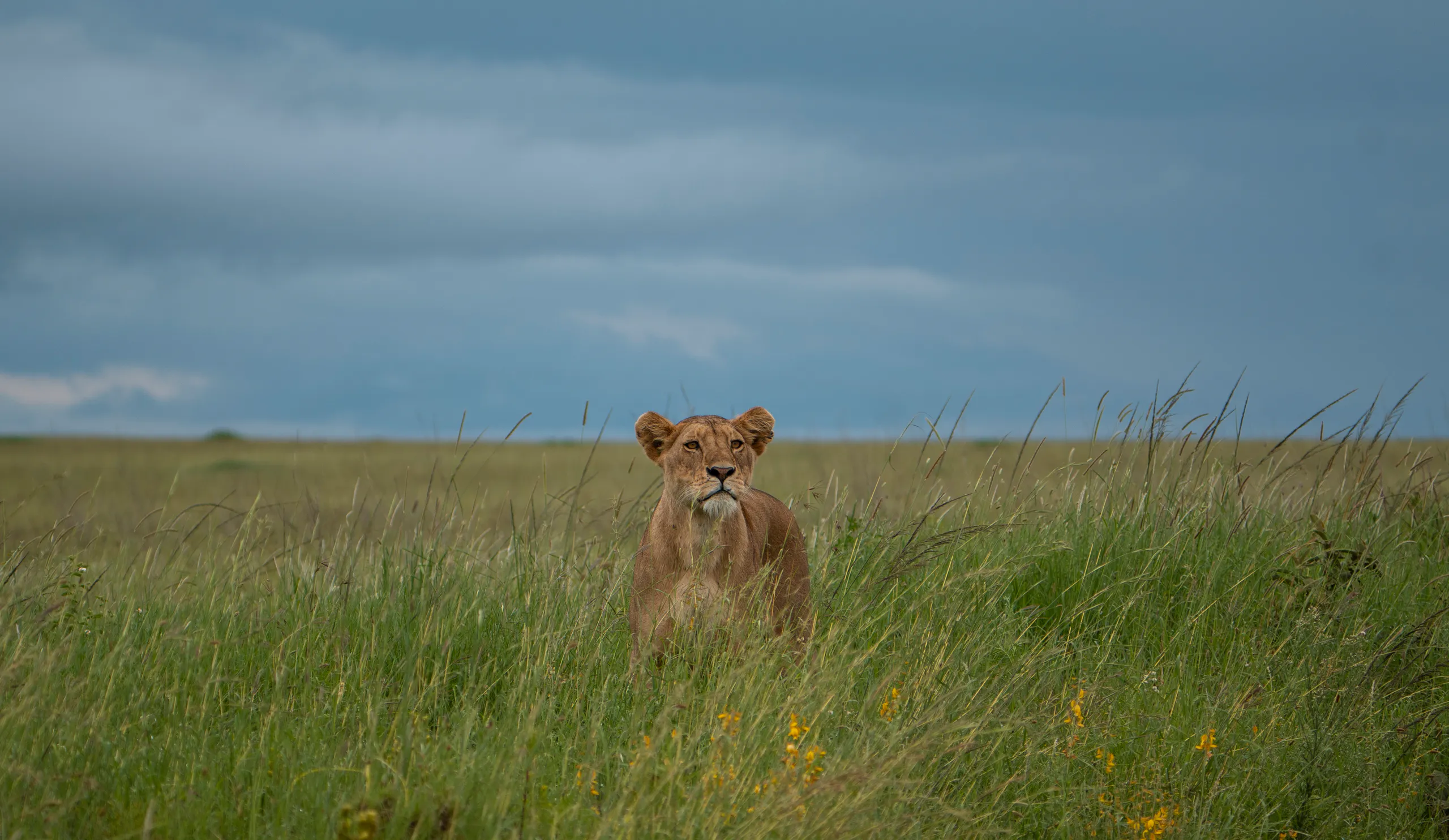
Serengeti National Park
The migration's home range — the right sector depends on your month.
Explore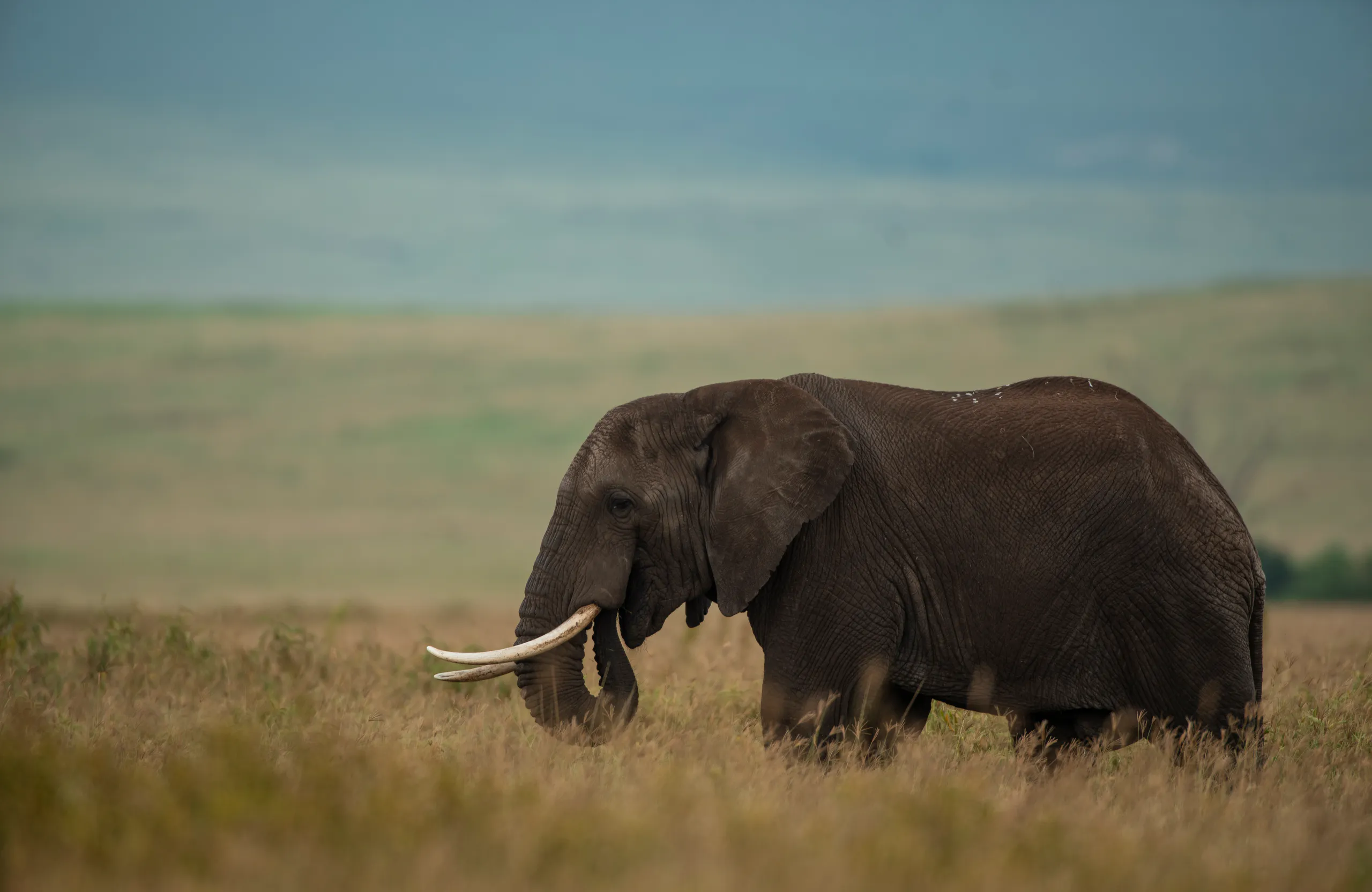
Ngorongoro Crater
Resident wildlife year-round in a collapsed volcanic caldera.
Explore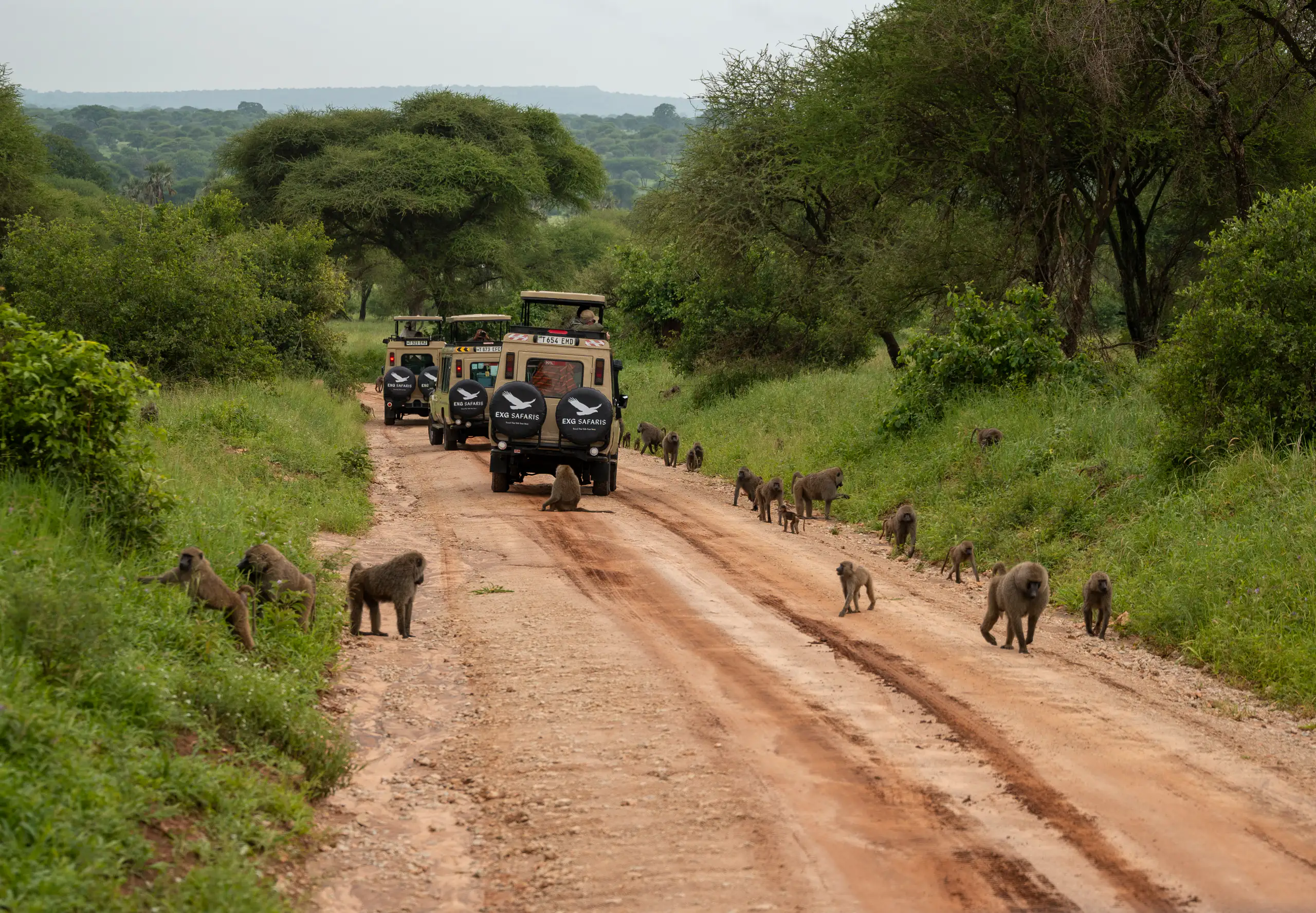
Tarangire National Park
Dry-season elephant concentrations along the Tarangire River.
Explore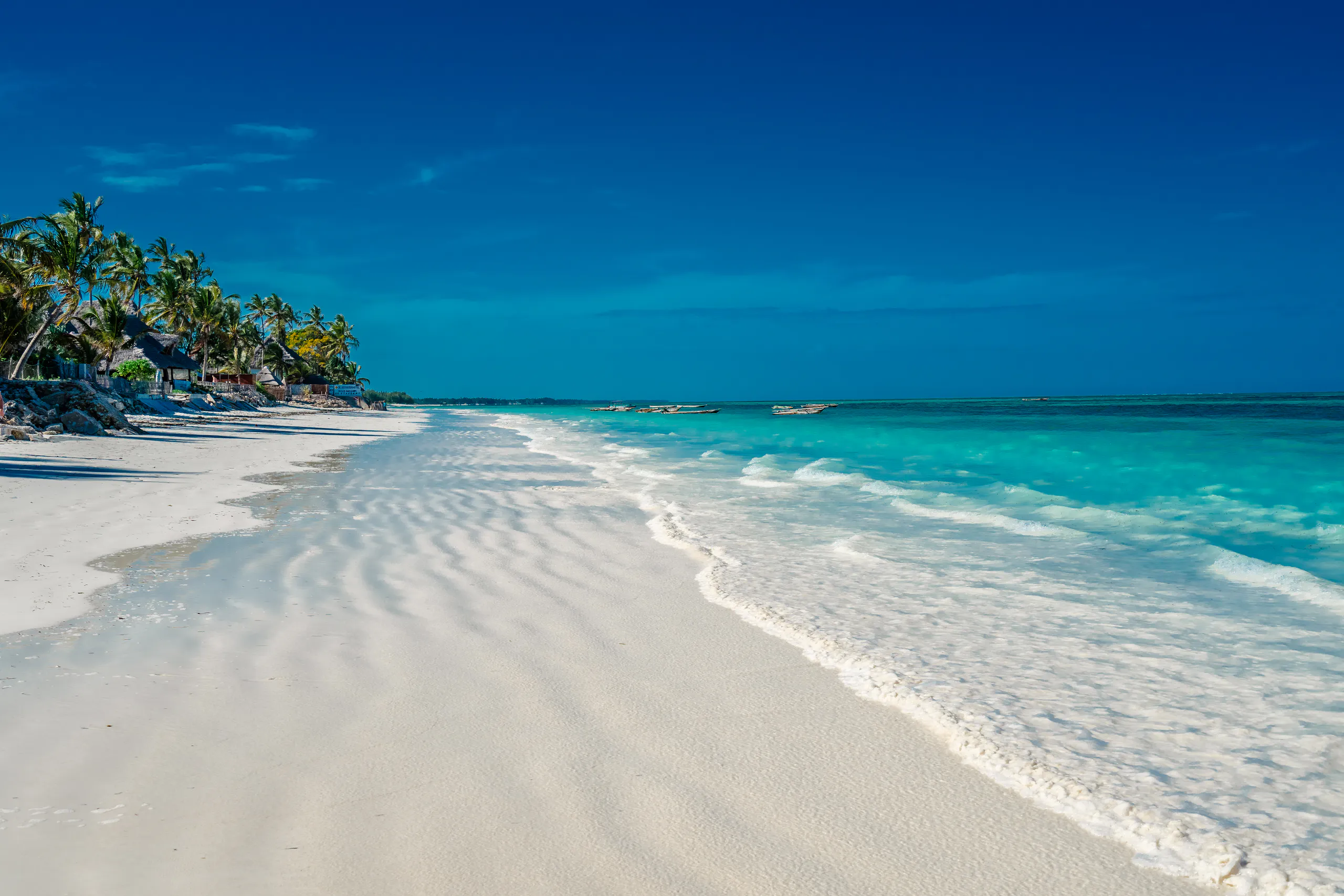
Zanzibar
The beach extension — pick the coast for wind, tide, and swimming.
ExploreBest time by traveler type
Choosing dates around who is traveling
First-time safari travelers
June, September, and early October give a strong balance — the route is easier to understand, general wildlife viewing is productive, and a Zanzibar extension usually fits well. January and February are equally valid when calving, green scenery, and photography matter more than completely dry weather.
Families
June through August works with U.S. school calendars but is also peak season — reserve family rooms, adjoining rooms, and private vehicles early. December holidays can also work. A private vehicle, shorter drives, and two-night stays matter more than chasing the “perfect” wildlife month.
Seniors and comfort-oriented travelers
June, September, and early October often provide easier roads and lower humidity. July and August can be cold at dawn and on the Ngorongoro rim. January and February can also suit travelers who prefer warmer weather, provided the itinerary includes rest and does not overload each day.
Honeymooners
June through October and January through February support strong safari and Zanzibar combinations. Choose June or September for cooler safari conditions, or January and February for warmer island weather. Privacy depends more on route design, camp size, and private guiding than on a generic “honeymoon season.”
Wildlife photographers
Choose the visual result you want. Dry season brings concentration, clearer sightlines, dust, and golden grass. Green season brings saturated color, reflective water, dramatic skies, young animals, and birdlife. Private vehicle space, patient guiding, and time at sightings often matter more than moving the trip by one month.
When to book
Peak timing and specialized locations should be planned early. These are professional planning ranges, not fixed industry rules — availability depends on route, group size, room type, and comfort level.
Typical lead times
- July through October: commonly 9 to 12 months ahead; longer for specific northern Serengeti camps, large families, or premium room categories
- Late January through February: commonly 9 to 12 months ahead for well-located calving camps and photography guides
- Christmas and New Year: commonly 10 to 14 months ahead, especially for family and multigenerational travel
- June and November: commonly 6 to 9 months ahead
- April and May: sometimes 4 to 8 months ahead, but operational availability must be checked carefully
International airfare, bush flights, and lodge space do not always tighten at the same time. Confirm the safari framework before buying a restrictive international ticket.
For U.S. travelers, we generally recommend arriving in Arusha at least one night before the first major game-drive day. A recovery night protects the safari from long-haul delays and gives your body time to adjust before rough roads and early starts.
Common timing mistakes
Seven mistakes to avoid
Choosing a month before choosing a goal
“Best weather” and “best migration location” may point to different dates. Decide whether your priority is general wildlife, calving, possible crossings, photography, beaches, family convenience, or low visitor pressure.
Treating a migration map as a timetable
Migration maps show historical patterns. They cannot tell you where the herds will be on a particular Tuesday. Build a route that works even when the movement is early, late, or dispersed.
Booking the wrong Serengeti sector
Serengeti National Park is vast. A camp can be inside the park but many hours from the seasonal focus. Confirm the specific sector and realistic driving time.
Assuming rain ruins every safari day
Rain can create beautiful light, cool the air, settle dust, and bring wildlife activity. The real concerns are road access, transfer time, camp operations, and whether your group is comfortable with flexibility.
Ignoring cold mornings
Tanzania sits near the equator, but altitude changes the experience. June through August mornings can be cold in open vehicles, and the Ngorongoro Highlands can feel wintry before sunrise.
Choosing a discounted camp that weakens the route
A lower nightly rate can be expensive if it adds hours of driving, requires extra flights, or places you far from the wildlife priority. Compare the total itinerary, not one lodge price.
Building a trip with no weather buffer
Long-haul delays, bush-flight changes, muddy roads, and mountain weather can affect even a well-planned journey. Avoid placing an irreplaceable international connection immediately after a remote flight or summit descent.
Season comparison tables
Tanzania season overview
January–February
- Typical pattern
- Warm, green, often drier interval in the north
- Strongest reasons to travel
- Southern Serengeti, calving, predators, birds, Zanzibar
- Main tradeoffs
- High demand in key areas, heat, possible rain
March
- Typical pattern
- Transition into long rains
- Strongest reasons to travel
- Green scenery, birding, lighter crowds
- Main tradeoffs
- Increasing humidity and uncertainty
April–May
- Typical pattern
- Main long rains in northern and coastal areas
- Strongest reasons to travel
- Low visitor pressure, lush landscapes, possible value
- Main tradeoffs
- Mud, slower roads, camp closures, poor beach reliability
June
- Typical pattern
- Dry transition, cooler mornings
- Strongest reasons to travel
- Balanced first safari, improving access, migration movement
- Main tradeoffs
- Rising demand, migration location can be broad
July–August
- Typical pattern
- Cool, dry, peak season
- Strongest reasons to travel
- General wildlife, northern migration, family travel, Zanzibar
- Main tradeoffs
- Crowds, dust, high demand, cold dawns
September–October
- Typical pattern
- Dry, gradually warmer
- Strongest reasons to travel
- Tarangire, northern Serengeti, photography, Zanzibar
- Main tradeoffs
- Dust, heat later in the period, short rains may begin
November
- Typical pattern
- Short rains in the north and coast
- Strongest reasons to travel
- Green scenery, birds, fewer visitors, photography
- Main tradeoffs
- Variable rainfall and dispersed herds
December
- Typical pattern
- Warm, green, short rains often continue
- Strongest reasons to travel
- Holiday travel, safari and Zanzibar, herds moving south
- Main tradeoffs
- Festive demand, variable rain, limited last-minute space
A planning summary. Conditions can shift between years and regions.
Interpretation: June, September, and early October offer the simplest all-around balance. Late January and February are stronger for calving and green-season photography. April and May suit flexible travelers who understand the operational tradeoffs.
Side by side
Best travel window by goal
First Tanzania safari
- Strong planning window
- June–October
- Important qualification
- Peak demand and dust increase in July and August
Southern Serengeti calving
- Strong planning window
- Late January–February
- Important qualification
- Timing follows rainfall and forage
Possible Mara River crossings
- Strong planning window
- July–October
- Important qualification
- Crossings cannot be scheduled or guaranteed
Tarangire wildlife concentration
- Strong planning window
- July–October
- Important qualification
- Wildlife remains present outside dry season
Green-season photography
- Strong planning window
- January–March; November–December
- Important qualification
- Expect changing weather and route conditions
Birding
- Strong planning window
- November–April
- Important qualification
- Local habitats and rainfall influence activity
Zanzibar beach extension
- Strong planning window
- June–October; January–February
- Important qualification
- Wind, coast, tides, and humidity also matter
Kilimanjaro climb
- Strong planning window
- January–March; June–October
- Important qualification
- Mountain weather remains variable year-round
Fewer visitors
- Strong planning window
- April–May; parts of November
- Important qualification
- Confirm camp and flight operations
Family school holidays
- Strong planning window
- June–August; late December
- Important qualification
- Book family rooms and private vehicles early
The best time is a match between your goal and the right region.
Decision tools and checklists
Five-step timing decision
- Choose your primary outcome — general wildlife, migration phase, photography, beach time, family convenience, or low visitor pressure
- Select the right region — northern circuit, southern parks, western Tanzania, Zanzibar, or Kilimanjaro
- Accept one tradeoff — peak-season crowds, green-season rain, dry-season dust, heat, or higher demand
- Check the exact camp location — especially in Serengeti National Park and during migration-focused travel
- Protect the itinerary — add an arrival night, realistic transfer times, and a weather-aware connection plan
What to check before booking
- Which park sector and airstrip serve each camp?
- Is the camp fixed or mobile, and where will it be during your dates?
- Which roads or properties may close in the rainy season?
- How many nights are allocated to the main wildlife priority?
- Is the safari private, and can daily plans change with conditions?
- What time are game drives likely to start, and how long are the overland transfers in realistic road conditions?
- Are family rooms, adjoining rooms, or step-friendly rooms confirmed, and what baggage limits apply to internal flights?
- Does the Zanzibar coast suit your swimming, wind, and tide preferences?
- Are there buffer nights before international departures, and which insurance provisions cover delays, medical care, and evacuation?
Frequently asked questions
Best time to visit Tanzania — FAQ
Conclusion
For most first-time travelers, June through October is the best time to visit Tanzania because it combines dry-season wildlife viewing with generally easier road access and good Zanzibar conditions. September and early October are especially balanced. Late January and February are better for southern Serengeti calving, green landscapes, and photographic energy. November suits travelers who value birdlife, color, and lighter crowds. April and May can reward flexible repeat visitors, but they require careful operational planning.
The right decision is not the driest month. It is the month in which the region, wildlife priority, route, pace, and accommodation location support the trip you want.
Plan your dates with EXG Safaris
If you are unsure which season fits your priorities, we can compare travel windows and shape a private Tanzania safari around your pace, comfort level, wildlife interests, and Zanzibar plans — not to sell you one universal “best month,” but to place you in the right part of Tanzania with enough time and flexibility.
Keep planning
Sources
- Statement on the Status of Tanzania Climate— Tanzania Meteorological Authority
- Plan Your Trip— Tanzania Tourism Board
- Serengeti National Park — World Heritage List— UNESCO World Heritage Centre
- Ngorongoro Conservation Area — World Heritage List— UNESCO World Heritage Centre