
Birding and Nature· 5 min read
Birding in Tanzania: When to Go and Which Places to Choose
By EXG Safaris · Published November 8, 2026
Add exgsafaris.com as a preferred source on Google Search.
Birding in Tanzania can be good all year. For visiting migrant birds, the wetter months add more choice. For a trip with big mammals too, dry months may suit your group better. The best date depends on what you want to see and how you want to travel.
Start with a short bird wish list. Then match it to places, season and time in the field. Do not choose a safari by a huge country-wide bird total: you will visit a few habitats, not the whole country.
Choose a season for your interests
Tanzania Tourist Board highlights November through March for migrant birds (https://www.tanzaniatourism.com/about/when-to-travel). The Serengeti birding guide gives November through April for migrants in that park (https://www.safaribookings.com/serengeti/birds). The ranges overlap but do not promise a species on a set date. June to October is the main dry season, but not the main window for northern winter migrants. November to December brings migrant interest and greener views, with some muddy tracks. January to March overlaps for migrant birding; confirm local rain and access. April to May may suit focused birders, though long rains can limit roads and lodge choice. TANAPA describes June–October as dry, November–December as short rains and March–May as long rains (https://www.tanzaniaparks.go.tz/plan-a-trip). Treat month labels as broad guidance, not a weather promise; ask about the actual parks and camps and leave room to change the drive order.
Serengeti: open country and woodland birds
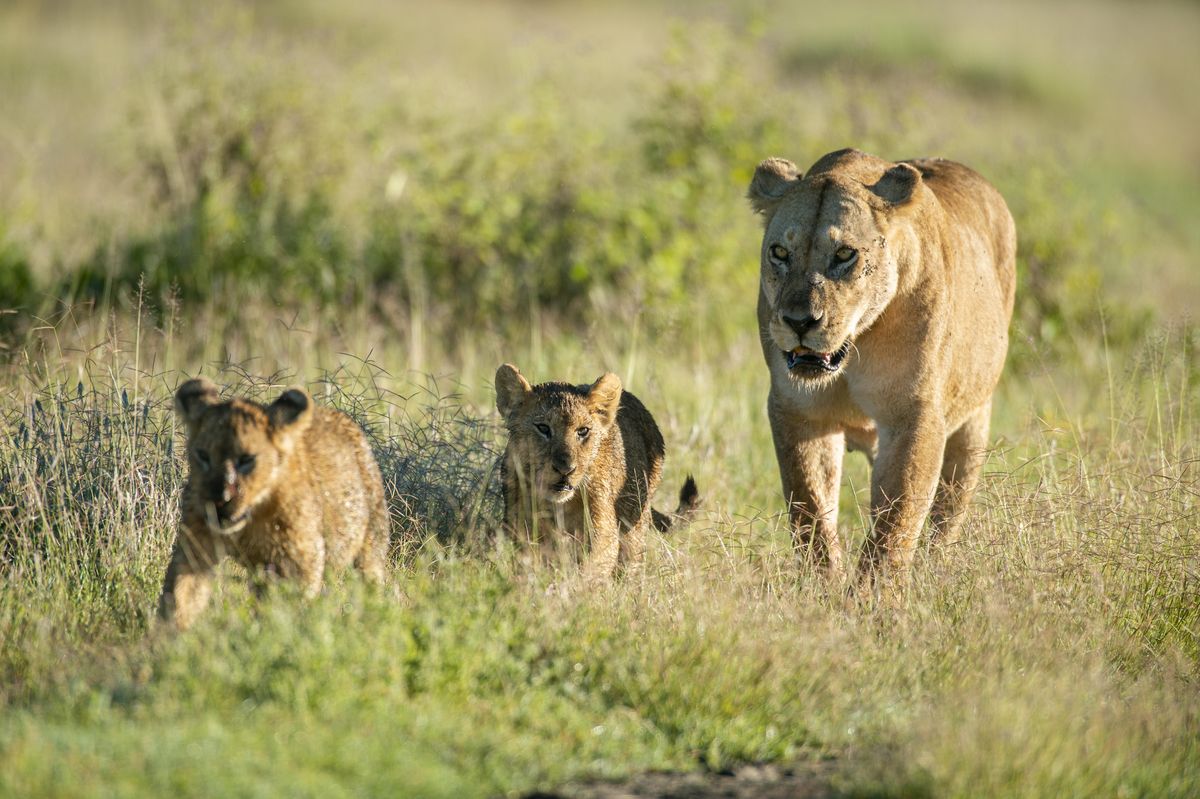
The Serengeti offers more than cat viewing: open plains and woodland give a birding day different settings. The expert Serengeti guide lists Fischer’s lovebird, grey-breasted spurfowl and rufous-tailed weaver among its highlights (https://www.safaribookings.com/serengeti/birds); these are useful subjects to discuss with a guide, not guaranteed sightings. Ask which part of the park suits your dates and interests. A route built only around wildebeest herds may miss the habitat for chosen birds. Give the Serengeti enough nights to avoid making each outing a transfer; repeat time in one area can beat a distant stop added only to grow a list.
Tarangire: river, swamp and woodland
TANAPA’s Tarangire guide highlights birdlife around the river, Silale Swamp and varied woodland, including lovebirds, bee-eaters, kori bustards, ostriches and birds of prey (https://www.tanzaniaparks.go.tz/tarangire/attractions). That mix suits a bird-and-mammal trip. Do not assume a standard game drive will stop for small birds; say birds matter before the route is set. Ask for time to scan and wait—a short stop for a distant eagle may be too brief to study it through binoculars.
Lake Manyara: forest and waterbird habitats
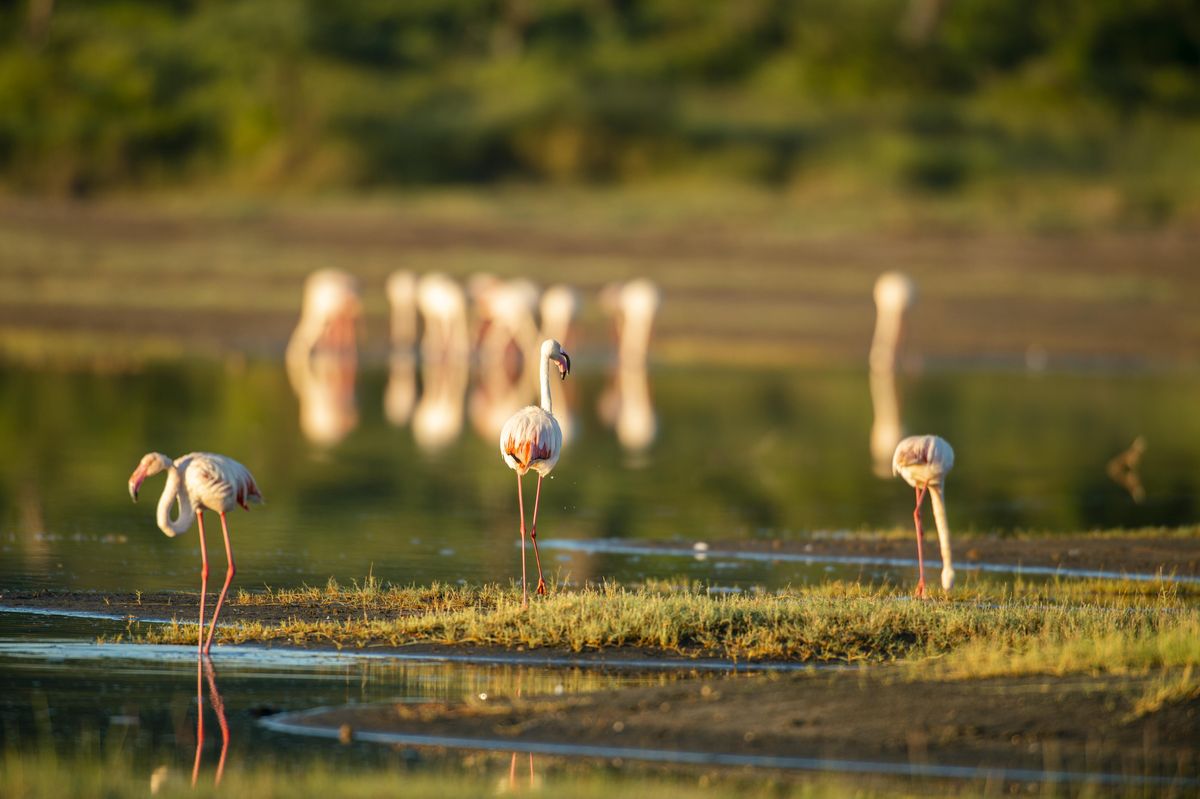
Lake Manyara’s official park guide describes spring-fed forest, wetlands and an alkaline lake, with flamingos, pelicans, storks and herons among the highlights (https://www.tanzaniaparks.go.tz/lake-manyara/attractions). Choose the park for that range of habitats, not a promise of a pink shoreline. Flamingo displays are seasonal; ask about current lake conditions and what can be reached during your stay. A forest stop can change the feel of a trip focused on open plains. Tell your planner if slow watching in one place matters as much as driving to a new sight.
Plan for the birder and the non-birder
One person may want to watch a small bird for twenty minutes. Their partner may want to see elephants. Agree on bird-focused and mixed outings before travel. Choose a base where resting at camp is a real option, and check how a return to camp affects everyone sharing the vehicle. If guests want different plans at once, ask about separate guiding. A private vehicle still has one route at a time.
Send this birding brief before you book
Share a short target-bird list with priorities; whether you want to learn, photograph or build a life list; how much walking you want and what access needs to be checked; your preferred balance of birds, mammals and rest; how long you will wait at one sight; and a request for a guide with relevant local birding skill. Bring binoculars you know how to use. Keep notes on where and when you saw each bird; a field guide or offline bird resource helps with review at camp. Watch without pushing for a reaction. TANAPA asks guests to keep noise low and not disturb wildlife (https://www.tanzaniaparks.go.tz/plan-a-trip). Do not crowd nests or pressure a guide to force a closer view.
FAQ
Frequently asked questions
Plan the safari that fits you
Start the Free Safari Fit Check with your bird wish list and dates. Ask EXG to review habitat, local guide fit and pace, not just the number of parks. Call +1 (323) 332-6474 or email info@exgsafaris.com. Contact EXG: https://exgsafaris.com/contact.
Sources
- Tanzania Tourist Board, When to Travel — migrants and seasonal rain context— Tanzania Tourist Board
- Ariadne van Zandbergen, SafariBookings — Serengeti bird guide and migrant window— SafariBookings
- TANAPA, Plan a Trip — broad seasons, road access and wildlife conduct— Tanzania National Parks Authority (TANAPA)
- TANAPA, Tarangire attractions — habitats and named bird groups— Tanzania National Parks Authority (TANAPA)
- TANAPA, Lake Manyara attractions — forest, wetland and seasonal flamingo context— Tanzania National Parks Authority (TANAPA)