
Wildlife and Photography· 5 min read
Tanzania Safari Photography: Light, Vehicle Position and Timing
By EXG Safaris · Published November 8, 2026
Add exgsafaris.com as a preferred source on Google Search.
For better Tanzania safari photography, plan three things before you plan the gear: light, a safe place to stop and time to wait. A long lens cannot fix a rushed day. A costly room cannot move closer to a sighting once the best light is gone.
Start with the pictures you want to make. Big cats, small birds and wide views call for different plans. Share those wishes with your safari team before it chooses camps and routes.
Build a short photo brief for your guide
Give your planner a few clear notes: your main subjects, in order; whether you want close views, wide scenes or both; how long you are happy to wait at one sighting; whether other guests share that interest; your camera size and how much space you need; and any limits on early starts or long days. A sample request is, “I would rather spend time with one lion than rush to five new sightings.” That is an example, not a guest quote. Ask by name if you want photo lessons; a wildlife guide and photography tutor do different jobs.
Match the light to the picture
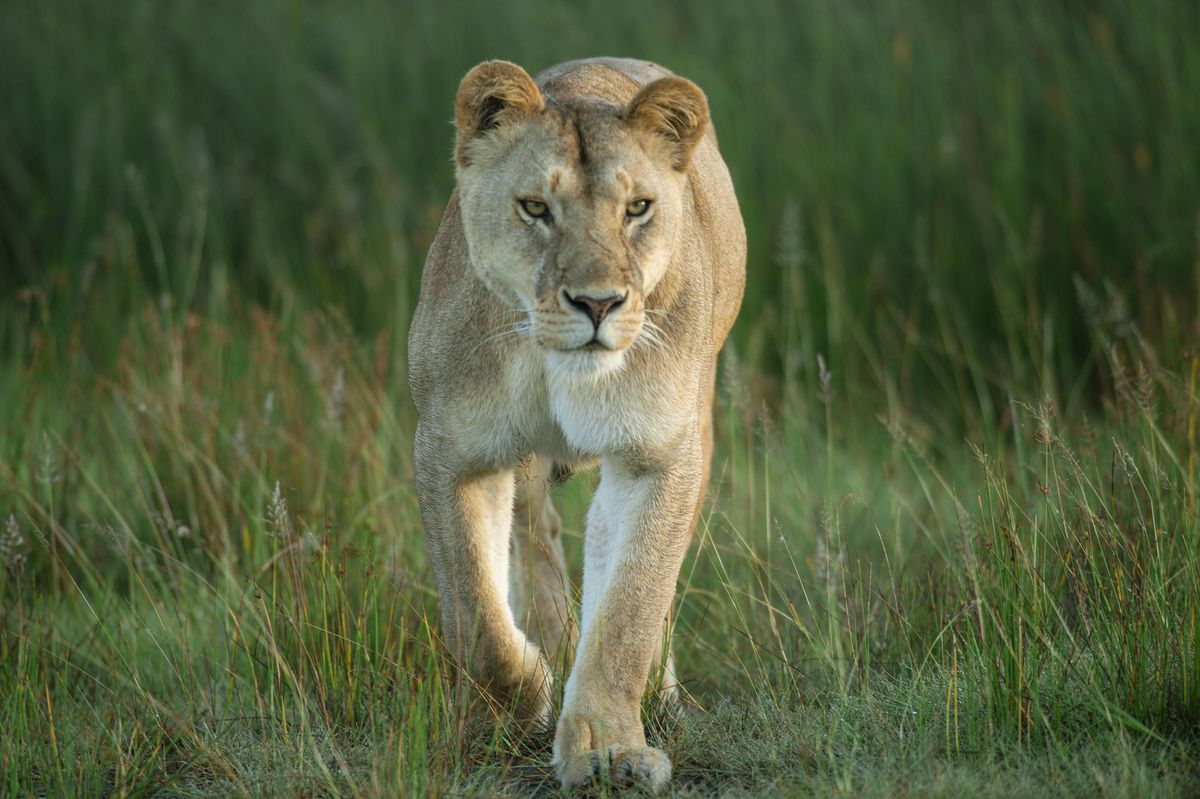
Low morning and late-day light can warm fur and add shape, but no angle fits every image. Sun behind you can give detail and color—watch your shadow and background. Side light adds texture—watch bright areas and deep shade. Backlight can make an edge glow or create a silhouette—decide whether you want face detail. Cloud cover can soften portraits, but shutter speed matters as light drops. These are choices, not a rule that the sun must sit behind you. Midday is not wasted: wide scenes, herd patterns and shadows can work well. In Nikon’s Great Migration field article, Tom Bol explains how a wide lens and midday light showed the scale of the herds: https://www.nikonusa.com/learn-and-explore/c/tips-and-techniques/photographing-the-great-migration. Use the light you have, not only the light you hoped for.
Ask for an angle, not a closer animal
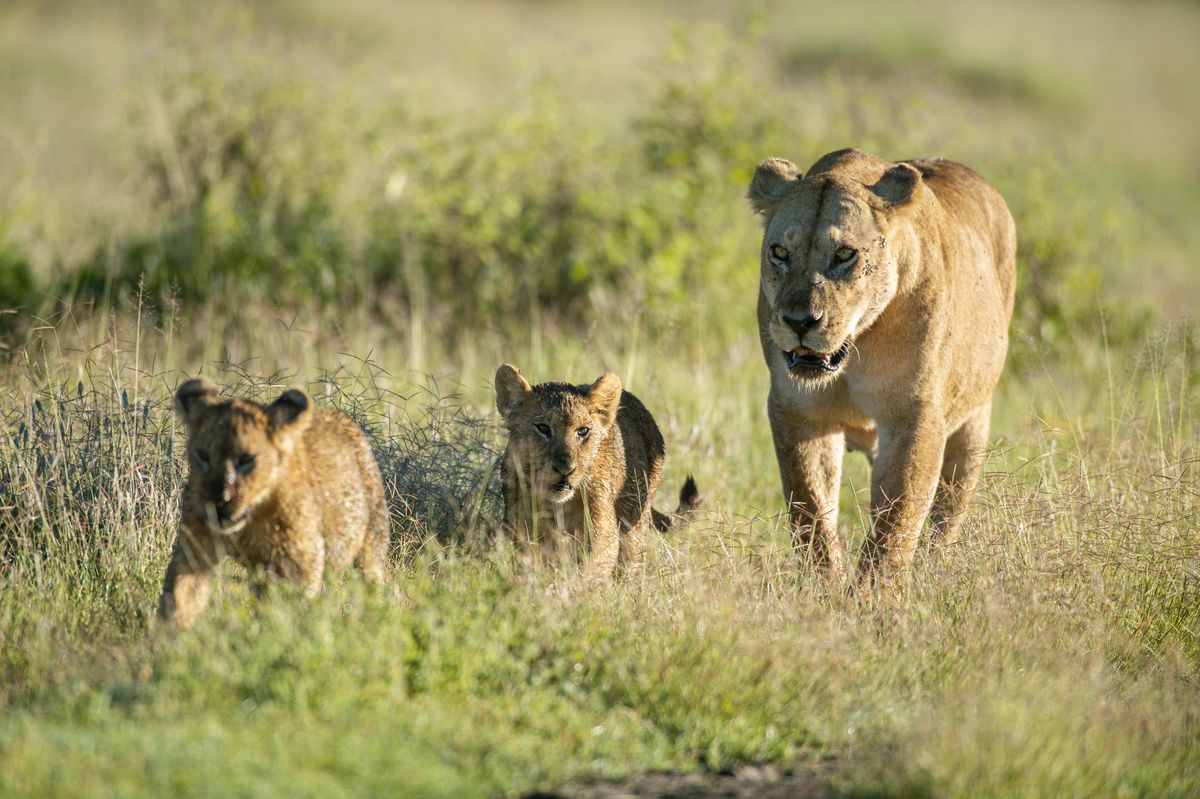
Tell the guide what blocks your picture: a branch, a bright patch behind the head or a poor angle from your seat. Then let the guide decide whether a move is safe and allowed. Sometimes no better legal spot exists. TANAPA’s rules say not to disturb wildlife and not to drive off-road unless expressly allowed: https://www.tanzaniaparks.go.tz/plan-a-trip. Do not ask a guide to block an animal’s path, chase it or leave the track for a photo. A private vehicle is not a private park, and a window seat does not guarantee the subject is on your side. Try a wider frame; space around an animal can show its setting.
Keep the vehicle still when it is safe
Ask whether the guide can turn off the engine at a stop. Tell other guests when you are taking a frame so they can pause their movements. A beanbag or soft lens support can help on a window edge; check that it fits the vehicle and camera. Keep straps, hands and gear clear when the vehicle moves. Use the window or roof opening as the guide permits. Do not leave the vehicle or lean out for a lower angle. Safety and park rules come first.
Choose camp locations before you count luxuries
Ask how far the proposed camp is from your main photo area. A long transfer can use the light you hoped to spend with wildlife. Request a sample day showing when you can leave under local rules, how meals work if you stay out, when you must return, where rest fits and what changes if roads or weather slow the day. More than one night in a base gives another chance at light or behavior, not a sighting guarantee. Rain, animal movement and access can change the plan.
Practice before you leave home
Learn to change focus mode and shutter speed without a long menu search. Test your camera on a moving subject and check a test image for blur, not just brightness. Pack spare power, enough memory and a backup plan. Ask about charging at your actual camps. If your route has small-aircraft flights, get the baggage rules before choosing your kit. Familiar gear you can carry and use well is a sound starting point; do not buy gear just because a guide lists it.
FAQ
Frequently asked questions
Plan the safari that fits you
Use the Free Safari Fit Check to share your photo brief. Ask EXG to check camp location, vehicle setup and pace against the images you hope to make. Call +1 (323) 332-6474 or email info@exgsafaris.com. Contact EXG: https://exgsafaris.com/contact.
Sources
- TANAPA, Plan a Trip — vehicle conduct, wildlife disturbance, off-road restrictions and camp utilities— Tanzania National Parks Authority (TANAPA)
- Nikon Learn & Explore, Tom Bol — wide-angle composition, midday light and migration photography— Nikon Learn & Explore